

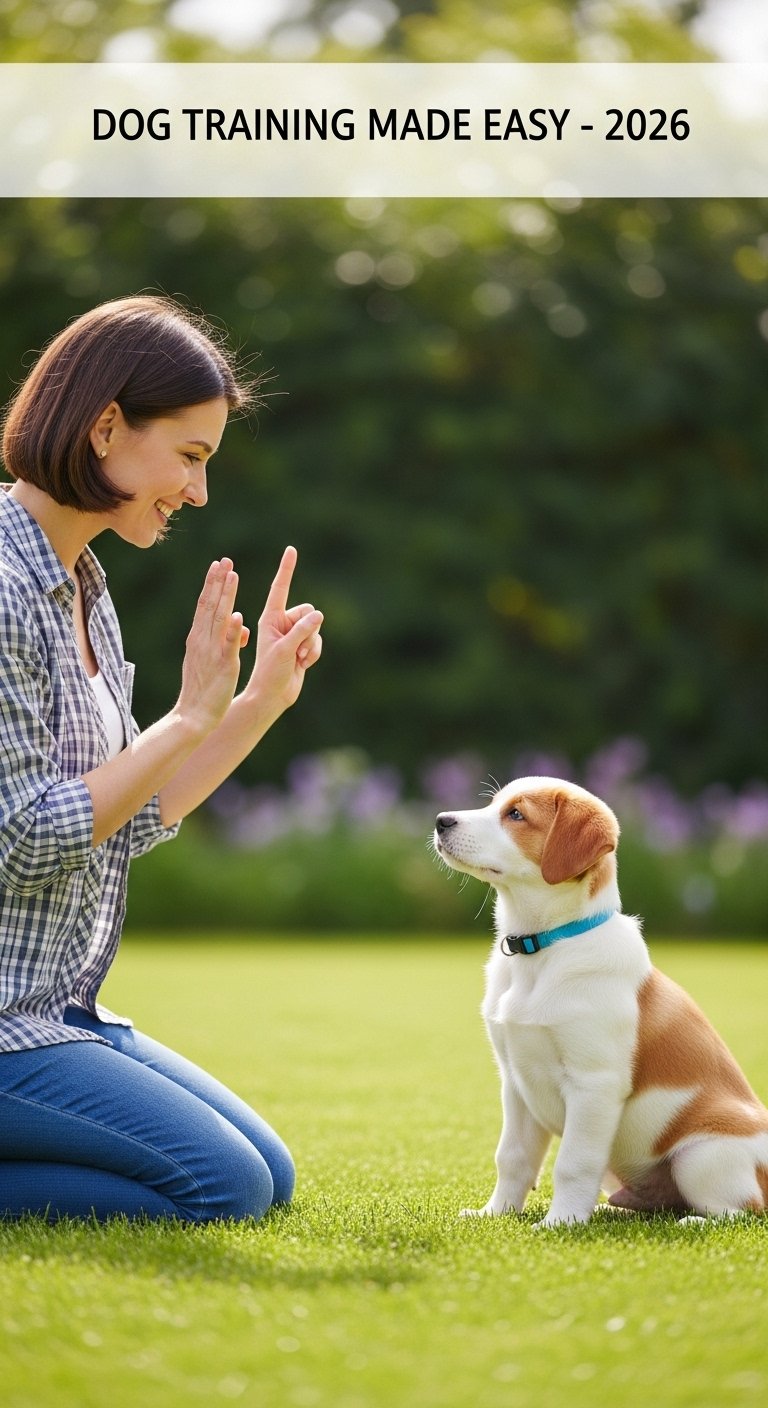
If your puppy has ever turned your favorite shoes into chew toys, or your living room into an obstacle course, you’re not alone. Raising a well-behaved, happy dog can sometimes feel like trying to solve a puzzle where the pieces are constantly moving. But don’t worry — dog training doesn’t have to be overwhelming or stressful. With a mix of patience, consistency, and positive reinforcement, you can turn even the most spirited pup into a reliable, confident companion.
Whether you’re a first-time dog parent or a seasoned pet lover tackling a new behavior challenge, these tips are designed to make training both effective and enjoyable — for you and your furry friend.
Quick Pet Care Box
| Pet Type: | Dog |
| Main Challenge | Obedience & Behavior |
| Best Solution: | Positive reinforcement training & structured routines |
| Recommended By: | Certified Trainers |
| Fun Fact: | : Puppies learn faster through play than punishment — they actually see games as learning opportunities! |
Why Dog Training is Essential for a Happy Pup
Training isn’t just about teaching your dog to sit or stay — it’s about communication and building trust. Dogs naturally want to understand their place in the family pack, and consistent training provides structure, security, and mental stimulation.
A well-trained dog is:
- Less anxious and more confident
- Safer in social settings and around traffic
- Easier to care for during vet visits or grooming
- Happier overall, because boundaries reduce confusion
As Dr. Emily Harper, a certified canine behaviorist, puts it: “Dogs thrive on structure. Training isn’t punishment — it’s a roadmap for a dog to understand your expectations and feel secure in their environment.”
Common Dog Behavior Issues and How to Solve Them
Every dog comes with quirks, but some behaviors are more than just adorable — they can be challenging. Here’s how to handle some of the most common issues:
Barking and Howling
Dogs bark to communicate, but excessive barking can be stressful. Often, barking is a sign of boredom, fear, or unmet needs.
Tip: Identify the trigger — is it a neighbor walking by, or separation anxiety? Use positive reinforcement: reward quiet behavior, not the barking. Puzzle toys can also reduce boredom-induced noise.
Chewing and Destructive Habits
Puppies explore the world with their mouths, but unwanted chewing can wreck shoes, furniture, or even electrical cords.
Tip: Provide safe alternatives like chew toys or frozen Kongs. Rotate toys to keep them interesting, and supervise playtime to redirect chewing when necessary.
Jumping and Leash Pulling
While jumping might seem playful, it can intimidate visitors, and leash pulling makes walks stressful.
Tip: Teach “off” or “sit” commands. Use a harness that discourages pulling, and reward calm, polite walking with treats and praise.
Simple Positive Reinforcement Techniques That Actually Work
Positive reinforcement is the backbone of modern dog training. Instead of punishing mistakes, you reward desired behaviors.
Clicker Training
A clicker provides a clear, consistent signal that your dog has done something right. Pair the click with a treat, and soon your pup will learn to associate the behavior with positive outcomes.
Treat-Based Rewards
Food motivates most dogs — just make sure the treats are healthy and appropriately sized. Use high-value treats for challenging behaviors and lower-value treats for basic commands.
Praise and Playtime
Sometimes, the reward doesn’t have to be edible. A favorite game of tug, a belly rub, or verbal praise works wonders to reinforce good behavior.
Crate Training & Potty Training Tips
Crate training provides dogs with a safe, secure space while also assisting with house training.
- Step 1: Introduce the crate slowly — leave the door open, and toss in treats to create a positive association.
- Step 2: Encourage short stays, gradually increasing the time as your dog becomes comfortable.
- Step 3: Use the crate for naps or quiet time, never as punishment.
Potty Training Tip: Set a consistent schedule for feeding and bathroom breaks. Reward your dog immediately after going in the right place. Remember, accidents happen — stay patient and consistent.
Socialization & Obedience Basics
A well-socialized dog is a confident dog. Puppies especially benefit from exposure to different people, dogs, sounds, and environments.
- Puppy Playdates: Arrange small, controlled play sessions with vaccinated, friendly dogs.
- Leash Walking Etiquette: Practice polite walking and greeting behaviors. Reward calm interactions.
Dr. Harper notes: “Early socialization prevents fear-based aggression and anxiety. It sets the stage for a lifetime of well-adjusted behavior.”
DIY Training Games & Mental Enrichment
Dogs are smart — they need mental stimulation as much as physical exercise. Try these games at home:
- Puzzle Feeders: Encourage problem-solving while eating.
- Hide-and-Seek: Hide treats or toys and let your dog find them.
- Scent Games: Hide a favorite toy and teach your dog to “find it.”
Mental enrichment not only prevents boredom but also strengthens the human-dog bond.
Common Mistakes Dog Owners Make
Even the most loving dog parents can fall into these traps:
- Inconsistency in commands and rules
- Using punishment instead of rewards
- Skipping socialization
- Overlooking mental stimulation
Avoid these pitfalls to keep training progress steady and positive.
Recommended Dog Training Tools & Accessories
- Leashes & Harnesses: For safe and controlled walks
- Clickers: For precise training cues
- Treat Pouches: Keep rewards handy during training sessions
- Interactive Toys: Stimulate learning and problem-solving
These tools make training easier, more effective, and enjoyable for both you and your dog.
When to Seek a Professional Trainer or Vet
Some behaviors require expert intervention:
- Aggression or fear-based behaviors
- Sudden changes in temperament
- Health-related causes (pain, discomfort, illness)
A certified trainer or veterinarian can provide guidance and personalized solutions, ensuring safety and long-term success.
FAQs About Dog Training
Q: How long does it take to train a puppy?
A: Every puppy is different, but basic obedience usually takes 8–12 weeks of consistent practice.
Q: What’s the best age to start training?
A: As early as 8 weeks — young puppies are highly receptive to learning.
Q: How do I stop barking or chewing?
A: Identify triggers, redirect behavior to appropriate outlets, and reinforce positive actions consistently.
Editor’s Note: Building a Happier Dog Routine
Every small act of training — a successful “sit,” a calm walk, a playful fetch session — strengthens the bond between you and your dog. Celebrate victories, stay patient through setbacks, and remember: dog training isn’t just about obedience; it’s about creating a lifelong friendship built on trust, love, and understanding.