

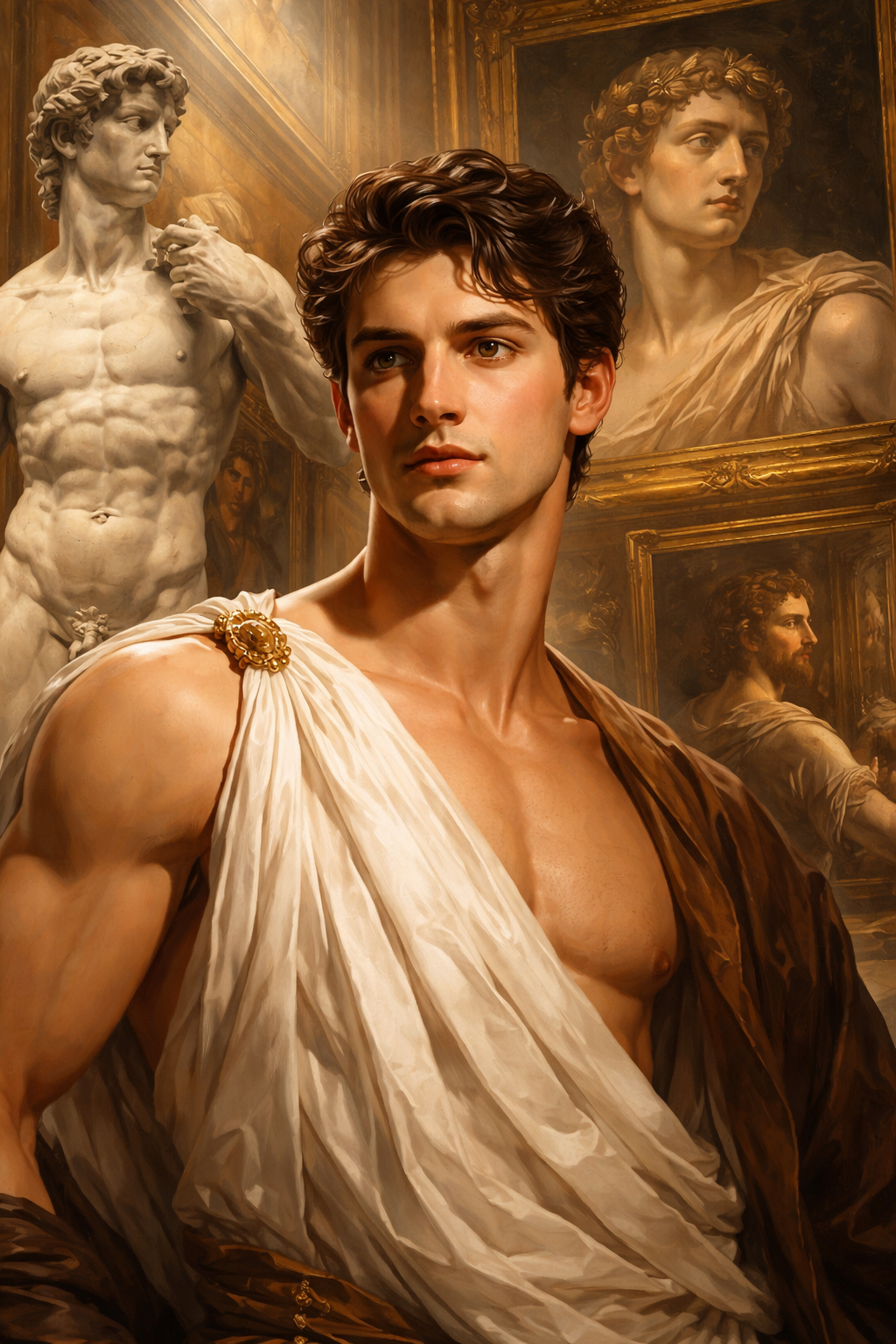
There’s something strangely captivating about old paintings of handsome men. Maybe you’ve seen them while scrolling through art pages online, wandering through a museum, or even popping up in aesthetic Instagram edits. The calm expressions, balanced features, and quiet confidence in these portraits feel almost timeless.
The phrase “handsome ancient painting men” might sound like a niche curiosity at first, but the fascination behind it tells a bigger story. For centuries, artists captured male beauty through paintings and sculptures that reflected cultural ideals of strength, elegance, and balance. And surprisingly, those ancient standards still shape the way we think about style, masculinity, and personal presence today.
From classical Greek sculptures to Renaissance portraits, the idea of male beauty has always been about more than just good looks. It was about character, posture, and a certain quiet self-assurance that modern lifestyle culture still admires.
In a world of constantly changing trends, these artworks remind us that some ideas about beauty and confidence truly never go out of style.
Quick Lifestyle Summary
| Category | Details |
|---|---|
| Focus Area | Lifestyle Inspiration / Personal Style |
| Ideal For | Students, creatives, art lovers, and anyone curious about cultural beauty standards |
| Main Challenge | Understanding how historical aesthetics influence modern style and self-confidence |
| Recommended Strategy | Explore timeless ideas of beauty, simplicity, and self-expression from classical art |
| Quick Takeaway | True style isn’t about trends — it’s about confidence, balance, and authenticity |
What “Handsome Ancient Painting Men” Really Represent in Art History
When artists in ancient civilizations painted or sculpted men, they weren’t just creating portraits. They were expressing what their culture believed an ideal person looked like.
In ancient Greece and Rome, beauty was closely tied to harmony and proportion. Artists studied the human body carefully, often striving to capture symmetry and physical balance.
Later, during the Renaissance, artists like Leonardo da Vinci and Michelangelo revived these classical ideals. They believed the human body reflected natural perfection and mathematical harmony.
One famous example is the drawing known as Vitruvian Man, which explores ideal human proportions. Another iconic work, David, presents a figure that embodies strength, calm confidence, and physical balance.
These works became visual symbols of masculine beauty — not exaggerated or flashy, but composed and elegant.
Why Ancient Male Beauty Still Fascinates Modern Audiences
If you think about it, the modern internet loves aesthetics. Whether it’s minimalism, vintage fashion, or classical art edits on TikTok, people are constantly searching for inspiration from the past.
So why do these images of handsome ancient men still resonate today?
One reason is psychological. Humans are naturally drawn to symmetry and balance. According to discussions published in Psychology Today, symmetrical faces and proportions are often perceived as more attractive because they signal health and stability.
But there’s also something deeper happening.
Ancient portraits often show men in calm, confident poses. They’re not trying to look impressive — they simply appear grounded and self-assured. In a world where modern culture can sometimes feel loud and chaotic, that quiet confidence feels refreshing.
It’s a reminder that style and presence don’t always need to shout.
Famous Handsome Men in Classical Art
Some of the most admired male images in art history come from ancient and Renaissance traditions.
Artists during these eras were fascinated by capturing the ideal human figure — not necessarily a specific person, but a representation of human potential.
For example, sculptures like David became iconic because they showed a balance between physical strength and calm intelligence.
Similarly, works inspired by Leonardo da Vinci explored the connection between beauty and mathematics, suggesting that proportion itself could create harmony.
These artistic ideas didn’t just stay in museums. Over time, they shaped fashion, photography, and even modern advertising aesthetics.
If you’ve ever seen fashion campaigns that evoke Greek statues or classical sculptures, you’ve witnessed this influence firsthand.
The Beauty Standards of Ancient Greece and Rome
Ancient cultures had surprisingly specific ideas about what made a person attractive.
Greek artists, for example, believed beauty came from harmony between different parts of the body. The face, torso, and limbs should all feel balanced and proportionate.
Characteristics often admired included:
- Clear facial symmetry
- Athletic but natural body shapes
- Calm facial expressions
- Strong yet relaxed posture
Interestingly, the goal wasn’t perfection in the modern sense. Instead, artists aimed to capture natural balance.
The idea was simple: beauty should look effortless.
And if you think about it, that concept still shapes modern lifestyle trends today.
How Classical Male Beauty Inspires Modern Lifestyle Trends
You might not realize it, but classical aesthetics appear everywhere in modern culture.
From fashion campaigns to fitness culture, the idea of the “Greek god physique” is still widely referenced.
But the influence goes beyond physical appearance.
Classical art promotes several lifestyle ideas that resonate today:
Simplicity:
Minimalism in fashion and design often mirrors the clean lines and balanced compositions seen in ancient art.
Confidence without excess:
Many classical figures stand calmly rather than posing dramatically, suggesting quiet self-assurance.
Mind-body balance:
Ancient cultures celebrated both physical strength and intellectual curiosity.
This is why lifestyle communities focused on wellness and mindful living often reference classical philosophy and aesthetics.
Publications like MindBodyGreen frequently discuss how balance between mental clarity and physical health supports long-term wellbeing.
Social Media’s New Love for Classical Aesthetics
If you spend time on visual platforms like Instagram or TikTok, you may have noticed a growing fascination with classical art aesthetics.
Creators often remix Renaissance paintings, add modern music, or use classical sculptures in aesthetic edits.
Why is this trend gaining traction?
Part of the appeal is visual contrast. Ancient art feels calm and timeless, which stands out in today’s fast-moving digital environment.
Another reason is cultural curiosity. Younger generations enjoy rediscovering historical ideas and reinterpreting them in modern contexts.
Even fashion brands now borrow from classical imagery — draped fabrics, sculptural poses, and museum-style photography.
It’s proof that good style never truly disappears — it simply evolves.
Lessons Modern Men Can Learn from Ancient Art
While it’s fun to admire classical paintings and sculptures, they also offer surprisingly useful lifestyle insights.
Here are a few takeaways that still apply today.
1. Confidence Is Subtle
Ancient figures rarely appear overly dramatic. Their posture and calm expressions suggest self-assurance without arrogance.
Modern confidence works the same way.
It’s less about trying to impress people and more about feeling comfortable in your own presence.
2. Simplicity Is Powerful
Many classical artworks feature simple backgrounds and uncluttered compositions.
In lifestyle terms, this translates to:
- clean wardrobe choices
- minimal grooming routines
- uncluttered living spaces
If you’re interested in simplifying your environment, you might also enjoy trucofax’s guide to minimalist living made simple, which explores practical ways to declutter both your home and your mindset.
3. Balance Matters
Ancient philosophy emphasized harmony between physical, mental, and emotional wellbeing.
Modern research supports this idea. Insights shared in publications like Healthline show that balanced routines — combining exercise, sleep, and mindfulness — significantly improve overall wellbeing.
In other words, true attractiveness isn’t just about appearance. It’s about how balanced and energized your life feels.
Common Misconceptions About Ancient Beauty Ideals
It’s easy to assume ancient beauty standards were unrealistic or overly strict.
But in reality, classical artists weren’t trying to create impossible ideals.
Instead, they focused on representing human potential — the idea that the body and mind could both develop through discipline, creativity, and curiosity.
Another misconception is that ancient cultures only admired physical strength.
In fact, many artworks portrayed thinkers, philosophers, and poets.
Intelligence and character were considered just as important as physical beauty.
This perspective feels surprisingly modern.
Why Classical Art Still Defines Timeless Style
Trends change constantly. Hairstyles evolve, fashion cycles come and go, and social media aesthetics shift every few months.
But classical art still holds cultural power because it focuses on deeper principles:
- harmony
- balance
- simplicity
- self-assurance
These qualities never really go out of style.
Modern lifestyle experts often emphasize the same ideas when discussing personal development.
If you’re exploring ways to build healthier habits, you might enjoy trucofax’s article on mindful habits that boost your daily energy, which highlights small routines that create long-term lifestyle improvements.
Because sometimes the best inspiration for the future comes from the past.
Final Thoughts: Timeless Beauty Never Goes Out of Style
Looking at handsome ancient painting men isn’t just about appreciating historical art.
It’s about recognizing that people centuries ago were asking many of the same questions we ask today:
What makes someone truly attractive?
What does confidence look like?
How can we live in a balanced, meaningful way?
Ancient artists answered those questions through quiet portraits and carefully sculpted figures that still feel powerful today.
And maybe that’s the real lesson.
Style doesn’t come from chasing trends.
It comes from understanding yourself, embracing simplicity, and showing up in the world with calm confidence.
The same qualities that inspired artists hundreds of years ago can still inspire us now.
So next time you see a classical portrait in a museum or online, pause for a moment. Look at the posture, the calm expression, the effortless balance.