

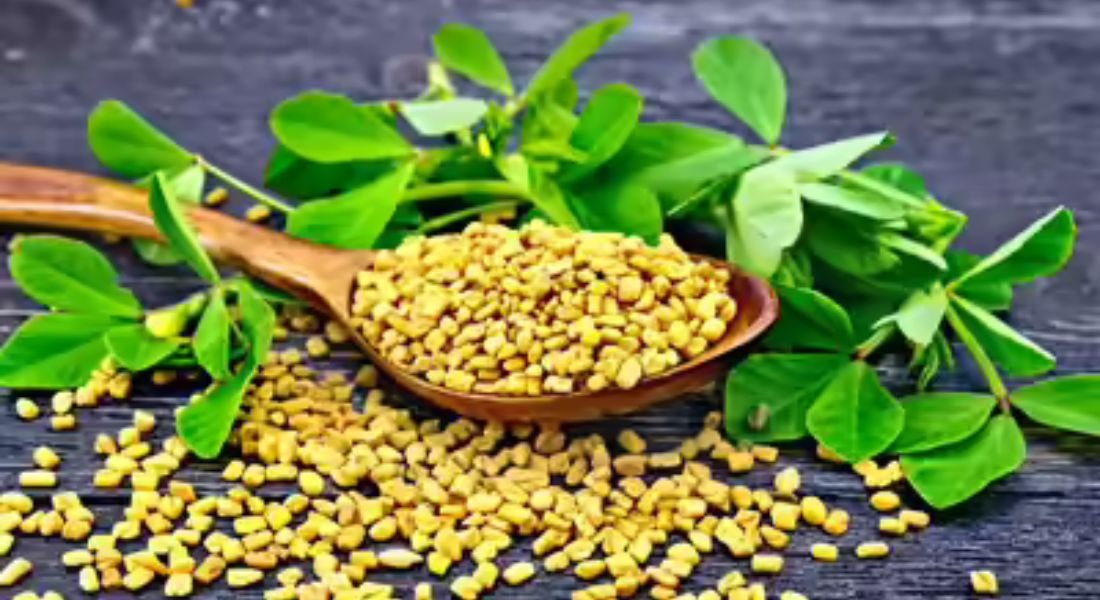
You’ve probably walked past it a hundred times in the spice aisle—a small, amber-colored seed that looks unassuming. But what if I told you that this humble plant, known as Foenegriek, is one of the most powerful and versatile medicinal herbs on the planet? For thousands of years, traditional medicine systems from Asia to the Mediterranean have revered it for its healing properties. Today, modern science is catching up, confirming what ancient cultures always knew. This article will dive deep into the world of fenugreek, exploring its impressive health benefits, practical uses, and how you can easily incorporate this powerhouse into your daily routine.
What Exactly is Fenugreek?
Fenugreek (Trigonella foenum-graecum) is an annual plant from the Fabaceae family, which makes it a relative of beans and legumes. It’s native to the Mediterranean region, southern Europe, and western Asia, but is now cultivated worldwide.
The plant produces long pods that contain hard, yellowish-brown seeds—the part most commonly used. These seeds have a unique, slightly sweet yet bitter flavor, often described as a cross between celery and maple syrup, which makes them a staple in many curry powders, spice blends, and even artificial maple flavorings. The fresh or dried leaves, known as methi in Hindi, are also used as a flavorful herb in many cuisines.
The Impressive Health Benefits of Fenugreek
The true power of fenugreek lies in its dense nutritional profile. It’s packed with fiber, protein, vitamins (like B vitamins and vitamin C), and crucial minerals such as iron, magnesium, and manganese. But it’s the unique compounds like saponins and soluble fiber (galactomannan) that are responsible for its most celebrated health perks.
1. A Powerful Ally for Breastfeeding Mothers
One of the most well-researched and popular uses of fenugreek is as a galactagogue—a substance that can help increase breast milk production. Many lactation consultants and healthcare providers recommend it due to its phytoestrogen content, which is believed to stimulate milk-producing glands. Countless new moms have reported a significant increase in milk supply within just 24 to 72 hours of taking fenugreek supplements or tea.
2. Supports Healthy Blood Sugar Levels
This is a big one. Numerous studies have shown that fenugreek seeds can be highly effective for blood sugar control. The high soluble fiber content slows down the digestion and absorption of carbohydrates, preventing sharp spikes in blood sugar after meals. Compounds like 4-hydroxyisoleucine also appear to enhance the body’s insulin sensitivity. For individuals managing type 2 diabetes or prediabetes, incorporating fenugreek can be a powerful natural supportive strategy (always in consultation with a doctor).
3. May Boost Testosterone and Libido
For centuries, fenugreek has been used as an aphrodisiac. Modern research, particularly in men, suggests there may be truth to this. Studies indicate that fenugreek supplements can help support healthy testosterone levels, which can, in turn, improve libido, energy levels, and even aspects of male vitality.
4. Aids in Digestion and Weight Management
The high fiber content in fenugreek isn’t just good for blood sugar—it’s fantastic for your gut. It can help relieve constipation, soothe minor stomach inflammation, and promote a feeling of fullness. This satiety effect can reduce overall calorie intake, making it a helpful tool for anyone on a weight management journey.
5. Other Potential Benefits
- Heart Health: The galactomannan fiber and potassium in fenugreek can contribute to healthy cholesterol levels and blood pressure.
- Anti-inflammatory Effects: Compounds like flavonoids can help reduce inflammation throughout the body.
- Appetite Control: Some studies have found that taking fenugreek fiber can reduce fat intake and overall appetite.
How to Use Fenugreek in Your Daily Life
Ready to harness the power of this ancient spice? Here’s how you can add it to your diet.
- As a Whole Spice: Lightly toast the seeds in a dry pan to mellow their bitterness and enhance their nutty flavor. Grind them and add to curry powders, spice rubs for meat, or stews.
- Sprouted: Fenugreek seeds can be sprouted and added to salads and sandwiches for a nutritious, crunchy punch.
- As a Tea: Steep 1 teaspoon of crushed seeds in a cup of hot water for 5-10 minutes. Strain and drink. This is a popular method for new mothers.
- As a Supplement: Fenugreek capsules and extracts offer a concentrated dose. This is often the preferred method for targeting specific benefits like milk production or testosterone support. Always choose a reputable brand and consult with a healthcare professional before starting any new supplement regimen.
- The Leaves (Methi): Use fresh or dried leaves to flavor flatbreads (like methi paratha), potato dishes, and dals.
Important Considerations and Side Effects
While fenugreek is generally safe for culinary use, there are a few things to keep in mind, especially with concentrated supplements.
- Allergies: Those allergic to peanuts or chickpeas may also be allergic to fenugreek.
- Pregnancy: It is not recommended for use in pregnancy (as it may stimulate uterine contractions) but is considered safe postpartum for breastfeeding.
- Blood Sugar: Because it lowers blood sugar, those on diabetes medication should use it with caution and under medical supervision to avoid hypoglycemia.
- Digestive Effects: High doses can cause minor gastrointestinal discomfort, like gas or bloating, in some people.
- Maple Scent: A curious but harmless side effect is that it can cause your sweat and urine to smell faintly of maple syrup.
Conclusion: A Timeless Treasure for Modern Wellness
Fenugreek is a perfect example of how the oldest remedies often hold the most value. It’s a culinary delight, a medicinal powerhouse, and a natural solution for a range of modern health concerns. Whether you’re a new mom looking for support, someone managing their metabolic health, or simply a curious foodie eager to explore new flavors, fenugreek is a worthy addition to your pantry and wellness toolkit.
Why not start with something simple? Pick up a small bag of seeds from your local international market or health food store, brew a cup of tea, or try adding a pinch to your next pot of lentils. Your body (and your taste buds) will thank you.