

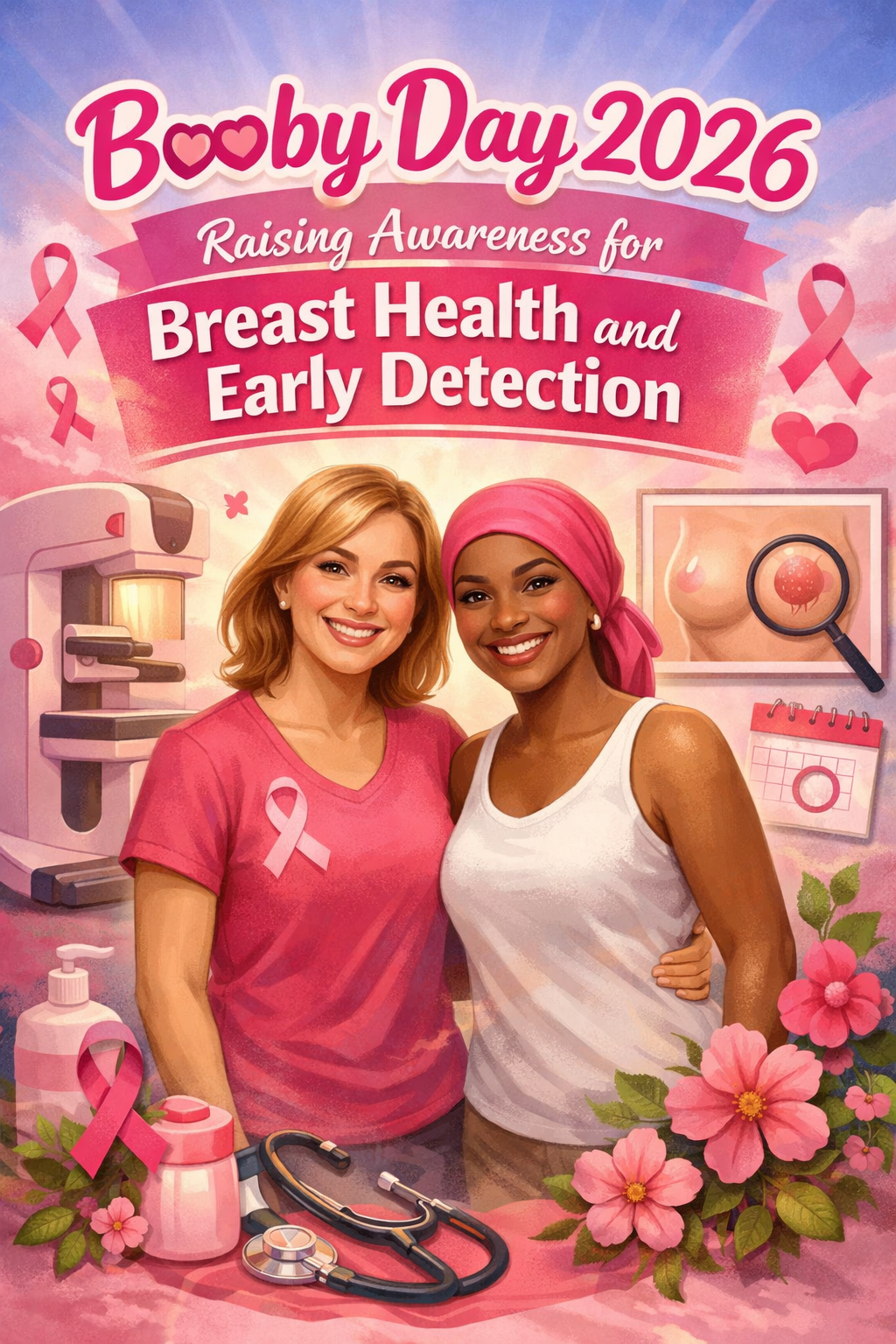
Imagine sitting at your kitchen table, sipping coffee, and seeing a post about Booby Day. It catches your attention, not because of the quirky name, but because it reminds you to pause and think about your own health — specifically, your breast health. For many adults, breast care is important in theory, yet it’s often delayed amidst work, family, and daily stress.
Booby Day is more than a social media trend. It’s a day to promote education, encourage self-care, and normalize conversations about breast wellness. By understanding your body, spotting early warning signs, and adopting simple, science-backed habits, you can proactively support your breast health.
Health Snapshot
| Health Topic | Main Benefit | Expert Tip | Ideal For | Backed By |
|---|---|---|---|---|
| Breast Health Awareness | Early detection and prevention of breast conditions, including cancer | Perform monthly self-checks and schedule routine screenings | Adults of all genders seeking proactive health measures | American Cancer Society, Mayo Clinic, Healthline |
What Is Booby Day?
Booby Day is an awareness initiative designed to promote breast health. Its main goals are:
- Educate people about self-care and breast health practices.
- Encourage routine screenings and early detection.
- Reduce stigma and normalize conversations about breast wellness.
Although it started as a grassroots campaign, Booby Day has grown globally, incorporating online campaigns, workplace initiatives, and community events.
Why it matters: Awareness campaigns like Booby Day increase knowledge, encourage preventive action, and ultimately save lives through early detection.
Example: Many organizations host wellness webinars or offer free mammogram vouchers during Booby Day, making it easier for adults to take practical action.
Visual idea: Infographic of global Booby Day events highlighting breast health campaigns.
Why Breast Health Matters
Breast health is not just about cancer prevention — it’s about understanding your body and creating habits that support wellness. According to the American Cancer Society, breast cancer remains one of the most common cancers worldwide, but early detection significantly improves survival rates.
Healthy breasts are influenced by a combination of genetics, lifestyle, diet, and mental health. Being aware of changes in your breasts, even minor ones, can make a critical difference.
Expert insight: Dr. Lisa Hernandez, a certified oncologist, explains, “Routine self-exams and screenings empower individuals. Awareness allows you to act quickly if anything changes.”
Key takeaway: Being proactive isn’t about fear; it’s about empowerment. Small, consistent habits can make a meaningful difference in your health.
Common Risk Factors & Triggers
Understanding your risk factors helps you focus on what you can control.
Modifiable risks include:
- Sedentary lifestyle: Regular physical activity reduces risk factors related to obesity and hormonal imbalance.
- Dietary habits: Diets high in processed foods and low in fiber may increase risk.
- Alcohol intake: Excessive alcohol is linked to a higher risk of breast cancer.
- Stress: Chronic stress can affect hormones and immune function.
Non-modifiable risks include:
- Age (risk increases over time)
- Gender (women are at higher statistical risk)
- Genetics and family history
Tip: Focus on lifestyle choices you can influence: exercise, balanced nutrition, and stress management.
Early Signs and Symptoms to Watch
Spotting changes early can save lives. Experts recommend monthly self-checks, ideally on the same day each month. Watch for:
- Lumps or thickening: Any new lump, whether painful or painless, should be evaluated.
- Skin changes: Dimpling, puckering, redness, or rash.
- Nipple changes: Inversion, discharge, or unexplained pain.
- Swelling: Unusual swelling in one breast or underarm.
When to see a doctor: Even subtle changes warrant a medical check. Early consultation improves outcomes.
Visual idea: Diagram showing breast anatomy and key areas to check during a self-exam.
Preventive Measures & Self-Care Tips
Preventive health is about small, consistent actions. Here’s how to support your breast health:
- Monthly self-exams: Learn proper technique — gently examine all areas of the breast and underarm.
- Routine screenings: Follow age- and risk-appropriate mammogram guidelines.
- Exercise regularly: Aim for at least 150 minutes of moderate-intensity activity per week.
- Maintain a healthy weight: Body fat influences estrogen levels, which can affect breast tissue.
- Limit alcohol: Stick to moderate consumption guidelines or avoid alcohol.
- Manage stress: Meditation, yoga, or mindfulness practices support hormonal balance and overall wellness.
Real-life example: Susan, 34, shares, “I schedule self-exams right after my period each month. Paired with annual screenings, it’s become a natural habit that gives me peace of mind.”
Visual idea: Step-by-step infographic showing a proper self-exam routine.
Nutrition for Breast Health
Your diet plays a key role in breast wellness. Focus on:
- Fiber-rich foods: Whole grains, legumes, and vegetables regulate estrogen levels.
- Antioxidant-packed fruits: Berries, citrus, and leafy greens combat oxidative stress.
- Omega-3 sources: Fatty fish, chia seeds, or walnuts reduce inflammation.
- Minimize processed foods: Limit sugar, processed meats, and saturated fats.
Expert tip: Nutritionist Maria Chen says, “A colorful, plant-focused diet with lean proteins supports breast tissue and overall hormonal health.”
Visual idea: Healthy plate image with antioxidant-rich foods.
Mental Health and Breast Awareness
Stress affects more than just your mood — it impacts hormonal balance, sleep, and immune function, all of which indirectly influence breast health.
Simple strategies:
- 5–10 minutes of daily mindfulness or meditation
- Journaling or reflective practice to reduce stress
- Support groups or therapy for health-related anxiety
Expert insight: Psychologist Dr. Hannah Patel explains, “Mental wellness is closely linked to physical health. Supporting emotional well-being helps the body’s resilience.”
Visual idea: Woman meditating outdoors with overlay text: “Mindfulness Supports Breast Health.”
Expert Insights: Doctors & Nutritionists Weigh In
- Dr. Lisa Hernandez (Oncologist): “Consistency is key. Routine self-checks and screenings save lives.”
- Maria Chen (Nutritionist): “Diet complements preventive measures. Holistic habits offer the best protection.”
Visual idea: Expert portrait photo with quote overlay.
FAQs About Booby Day & Breast Health
- What is Booby Day?
An awareness initiative promoting breast health education, self-care, and early detection. - How often should I do self-exams?
Monthly, ideally on the same day each month for consistency. - Can diet reduce breast cancer risk?
Yes — fiber, antioxidants, and omega-3s support overall wellness. - When should I schedule a mammogram?
Typically starting at 40–50 years old for average risk; earlier for those with family history. - Does stress affect breast health?
Indirectly, yes. Chronic stress can disrupt hormones and immune function.
Editorial note: Addressing FAQs improves engagement and helps readers find quick answers.
Final Takeaway: Small Steps That Make a Big Difference
Booby Day is a reminder that health isn’t about perfection — it’s about consistent, empowered choices. Simple actions like monthly self-exams, routine screenings, balanced nutrition, and stress management create real impact.
Reflective close: Health is a journey. What small step will you take today toward stronger, healthier breasts? Whether it’s scheduling a check-up, prepping a nutrient-rich meal, or practicing mindfulness, every action counts.