

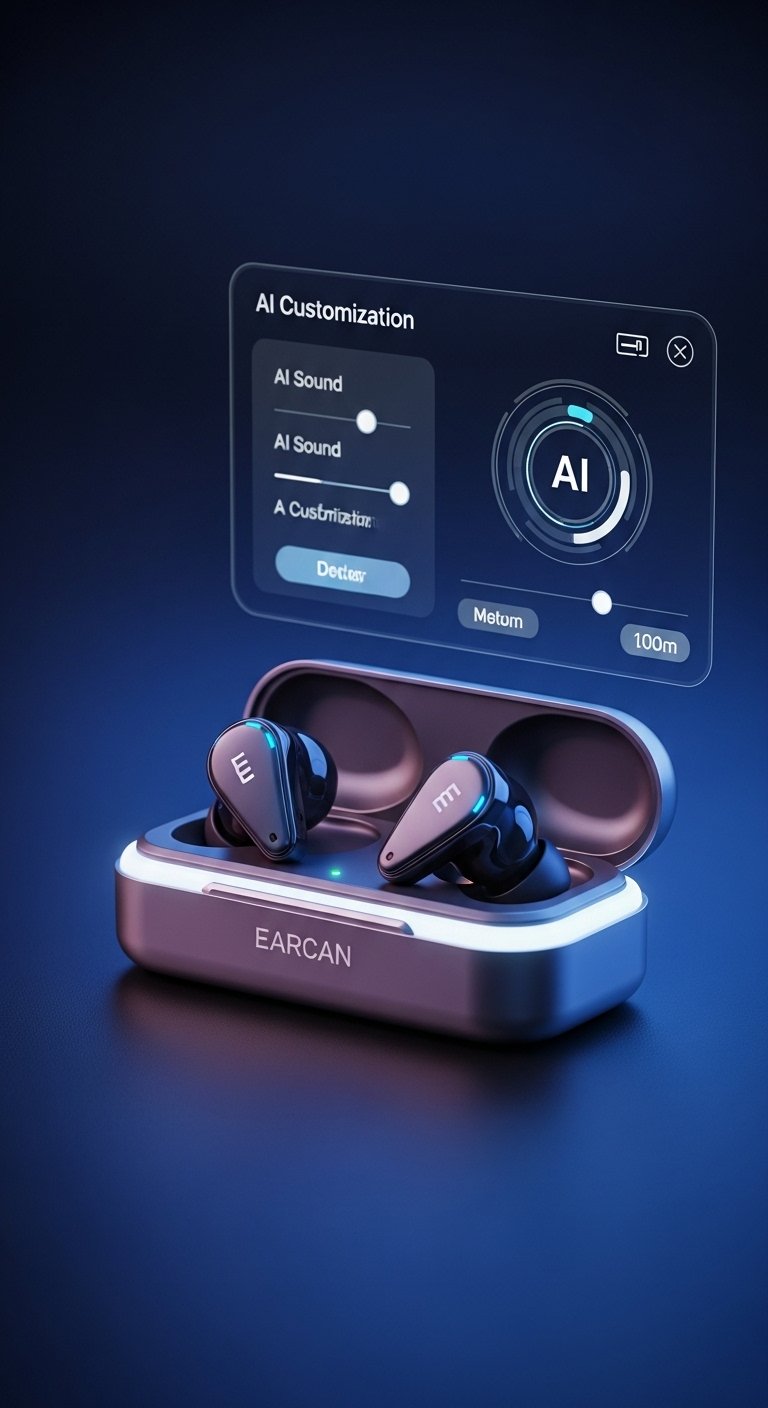
Imagine walking into a busy café. The chatter, the clinking cups, the distant street noise — all competing for your attention. You slip in your earbuds, tap a button, and suddenly, the world reshapes itself around you. Your music is crisp, your calls are clear, and even the background noise fades into a soft hum. That’s the promise of Earcan, the AI-powered smart audio device that’s quickly redefining personal listening in 2026.
Whether you’re a music enthusiast, a remote worker, or a creator hunting for precision audio, Earcan isn’t just another pair of earbuds — it’s a miniature AI assistant for your ears.
Quick Tech Summary
| Feature | Detail |
|---|---|
| Main Topic | Earcan Smart Audio Gadget |
| Tech Type | Hardware + AI Software |
| Launched / Popular Since | 2025–2026 |
| Ideal For | Creators, Professionals, Students, Music Lovers |
| Key Insight / Impact | Personalized AI-driven sound, adaptive noise cancellation, and health monitoring for optimal listening |
What Is Earcan and Why It’s Trending in 2026
At first glance, Earcan might look like a standard pair of sleek earbuds. But the tech inside is what sets it apart. Powered by AI algorithms, Earcan adapts sound profiles to your environment, your hearing preferences, and even the content you’re consuming. Think of it as a personal sound engineer, always tuning, balancing, and optimizing.
In 2026, smart audio devices are no longer just for music. Earcan is riding the wave of AI personalization and wearable tech. Its popularity isn’t just hype; it’s backed by user demand for audio that fits seamlessly into busy, multitasking lives.
Key Features Making Earcan Stand Out:
- Adaptive Audio: Automatically adjusts volume and clarity depending on your surroundings.
- Health Monitoring: Tracks listening habits to protect your ears.
- Smart Notifications: Filters calls and messages, prioritizing what matters most.
- Integration: Works with smartphones, smart homes, and digital assistants.
Wired recently highlighted Earcan as a “game-changer in personalized audio wearables,” praising its intuitive AI features.
How Earcan Is Changing Everyday Listening
Earcan doesn’t just play music — it transforms how we interact with sound. Remote workers, for instance, can now attend meetings in noisy environments without losing clarity, while students can focus on lectures or podcasts without distractions. Even daily commutes are improved with AI-driven noise reduction that isolates conversation and suppresses urban clamor.
Ear Health and Safety Features
Earcan monitors decibel levels in real-time. If you’ve ever pushed your headphones too loud during a long work session or workout, this AI reminder is a quiet lifesaver. Research from MIT Technology Review shows that AI-driven hearing protection is becoming a standard in smart earbuds, and Earcan is at the forefront of this trend.
Integration With Smart Homes and Devices
Imagine pairing your earbuds with your smart home: Earcan can lower your living room volume, pause music when someone rings the doorbell, or read your smart assistant notifications directly into your ears. This AI-human synergy is turning earbuds into command centers rather than just audio tools.
Step-by-Step: How to Set Up and Use Earcan
Getting started with Earcan is surprisingly simple for such a sophisticated device.
- Pairing: Use the Earcan app on your iOS or Android device. Bluetooth 5.3 ensures fast and stable connections.
- Personalization: The AI onboarding process asks about listening preferences, favorite music genres, and typical usage scenarios.
- Daily Use: Gesture controls allow skipping tracks, adjusting volume, and activating noise cancellation without touching your phone.
- App Dashboard: Provides a real-time overview of battery, health stats, and sound environment analysis.
Pro Tip: Creators can save custom sound profiles for recording, editing, or casual listening. This AI memory means your earbuds “remember” your audio moods.
TechCrunch notes that “Earcan’s intuitive onboarding is what separates it from other AI earbuds — it doesn’t just collect data; it actively learns what you need.”
Pros, Cons, and Expert Takeaways
Pros
- Adaptive audio: Seamlessly adjusts for clarity in every environment.
- Long battery life: Up to 12 hours with AI mode on, 36 hours with charging case.
- AI personalization: Profiles adjust automatically based on user behavior.
Cons
- Pricey: Earcan is a premium gadget, costing more than traditional earbuds.
- Learning curve: Some users may take time to master gesture controls.
- Limited third-party integration: Certain apps and older smart devices are not fully supported.
Experts generally agree: the benefits outweigh the drawbacks, particularly for power users who want AI-enhanced audio experiences.
Top Alternatives to Earcan in 2026
While Earcan leads in AI-driven features, there are other earbuds worth noting:
| Gadget | Feature Highlights | Price Range |
|---|---|---|
| NeoSound Pro | High-res audio, basic AI noise cancellation | $180–$200 |
| EchoPods AI | Smart assistant integration, gesture controls | $150–$180 |
| WaveBeat 5 | Lightweight, fitness-focused AI features | $120–$150 |
The comparison is clear: Earcan offers the most comprehensive AI customization, but alternatives may fit tighter budgets or niche use cases.
Real User Experiences and Results
Early adopters report that Earcan has transformed their day-to-day routines:
- Professional Use: Remote workers enjoy AI noise cancellation for conference calls, while editors and content creators appreciate precise audio balancing.
- Lifestyle Use: Commuters, gym-goers, and casual listeners note that adaptive audio reduces fatigue from constant volume adjustments.
One user on The Verge shared:
“It feels like Earcan reads my mind. The earbuds adjust to my surroundings before I even notice I need it.”
The AI learns from repeated use, which makes user experiences increasingly tailored over time.
What’s Next for Earcan and Smart Audio Gadgets
Looking ahead, AI earbuds like Earcan are likely to integrate even deeper into health and productivity ecosystems. Expect features such as:
- AI-driven mental wellness tracking: Monitoring stress via auditory cues.
- Enhanced multi-device integration: Switching seamlessly between work laptops, tablets, and phones.
- Smarter personalization: Predicting listening needs based on your schedule and activity.
The future of wearable tech is not just hearing enhancement — it’s adaptive intelligence that anticipates your needs.
FAQs About Earcan
- How long does Earcan’s battery last?
Up to 12 hours per charge with AI features active; up to 36 hours using the charging case. - Is Earcan compatible with both Android and iOS?
Yes, the Earcan app supports both platforms. - Can Earcan protect my hearing?
Yes, AI monitors volume levels and warns you about prolonged exposure to loud sounds. - What sets Earcan apart from other earbuds?
AI personalization, gesture controls, and integration with smart environments make it uniquely adaptive.
Closing Thoughts
Earcan proves that AI in 2026 is no longer confined to apps or cloud software — it’s wearable, personal, and anticipatory. For creators, professionals, and tech enthusiasts alike, Earcan represents a leap in how we interact with sound, blending technology, convenience, and health awareness.
So, do you think AI gadgets like Earcan will enhance our creativity — or will we become too reliant on machines to hear for us? Which upcoming tech trend excites or scares you the most in 2026?